
We invite you to summon the muses to the Museum of Taste by thinking about the flavors in your life—at the table and away from it. Remember the moments you associate with a particular taste.
Filter by taste



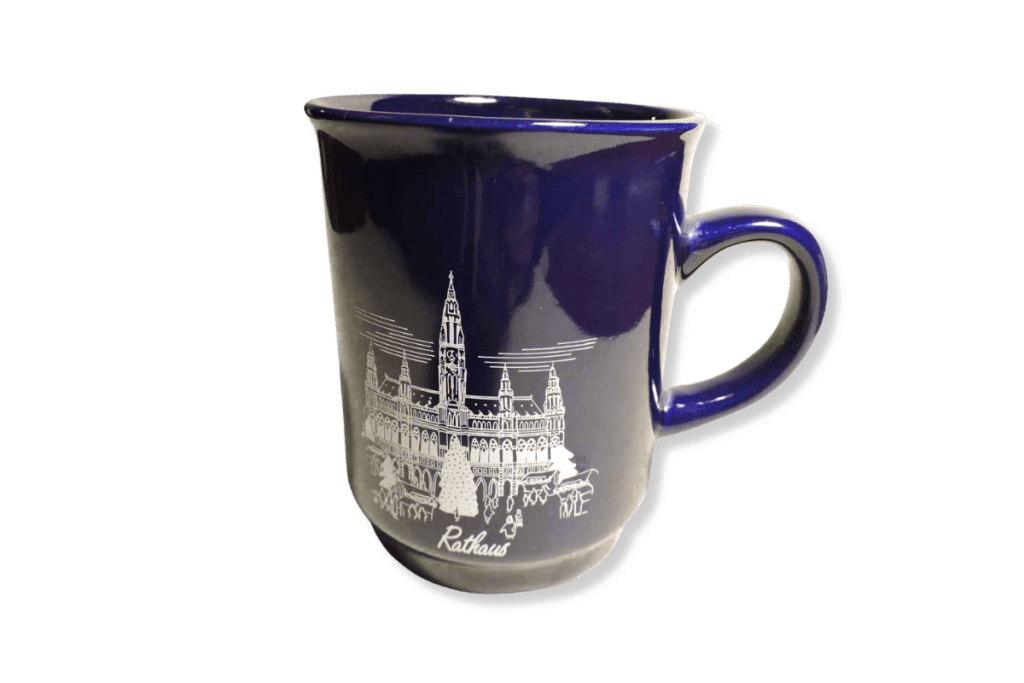


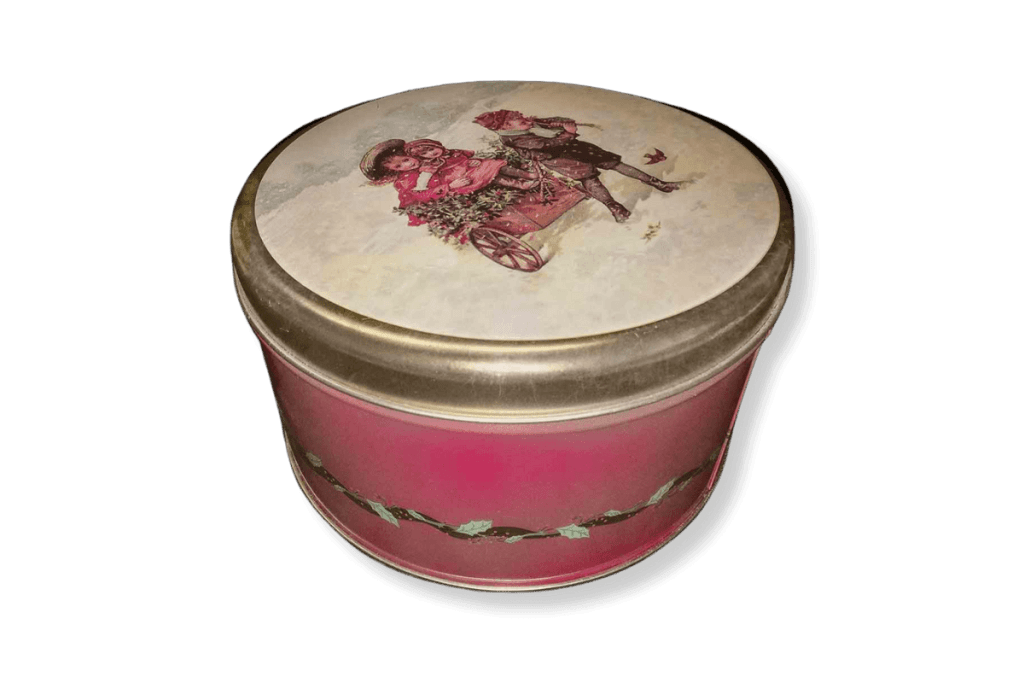

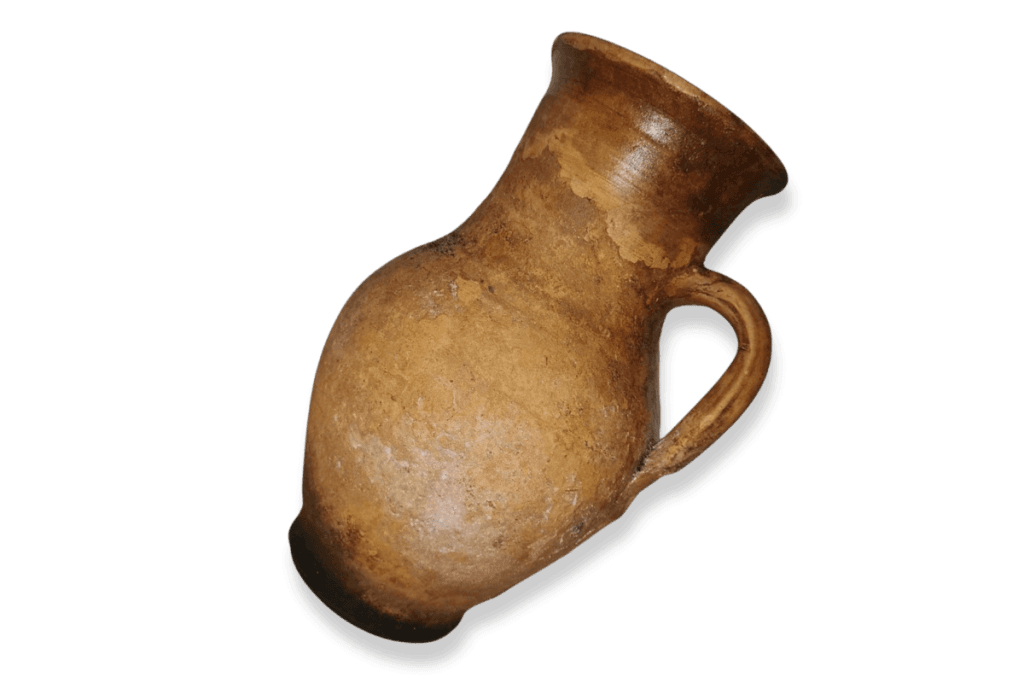

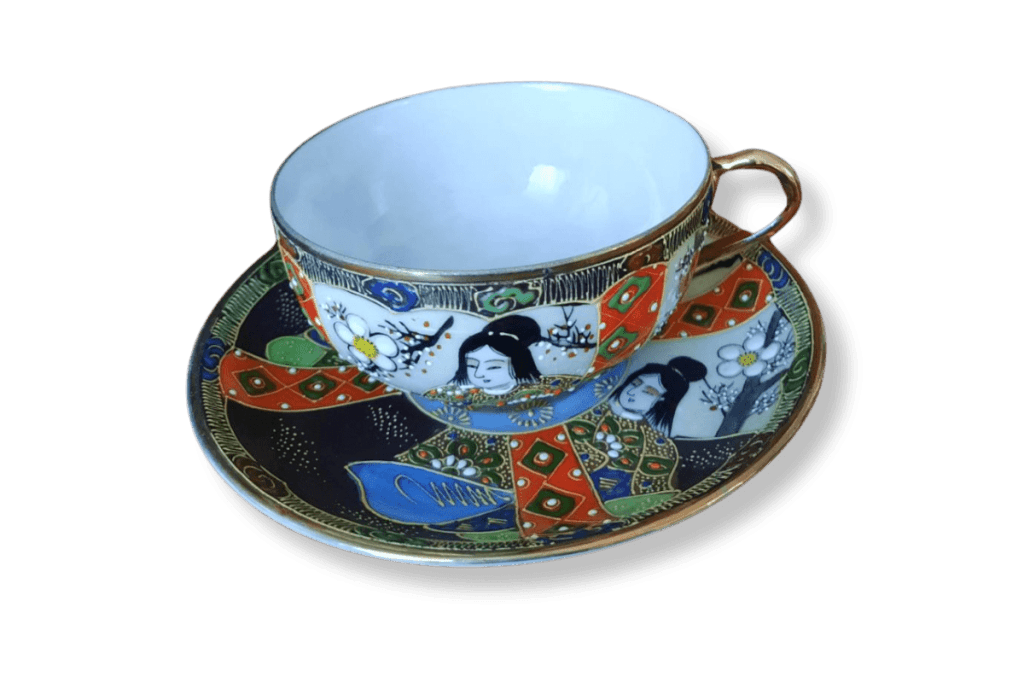












Placeholder to load Butler custom font family and templates.
Color
Tastes appear in color systems as bipolar concepts, divided into opposites such as bitter-sweet, sour-salty and umami-kokumi. We associate sweet taste with the color orange, cyan blue with salty taste, green with sour, and magenta red with bitter. Shades of green are usually associated with growth, while yellow, orange and bright red indicate activity. On the other hand, dark red, magenta and purple symbolize slowing down, while passivity is expressed by various shades of blue.
dr. hc Vojko Pogačar, academic painter
Music
First, we chose musical instruments that illustrate different tastes: for the "salty" guitar (Astrid Kukovič), for the "bitter" piano (Sašo Vollmaier), for the "sour" harmonica (Dominik Cvitanič), for the "hot" violin (Andreja Klinc) and for the "sweet" flute (Asja Grauf).
Melodies were created spontaneously. The improvisations of the "bitter" melodies were low and legato, the "salty" were determined and articulate, the "sour" were high and dissonant, and the "sweet" were unison, slow and soft.
Asja Grauf, professor of flute
Movement
I experience salty as a mixture of all tastes. It awakens a pleasant, relaxed, unusual feeling in me. I associate this taste with long, emphasized and controlled body movements. Bitter is a taste that awakens confusion in me, because with each bite my body decides whether to approve of this taste or not. I associate with it fluid movement with various emphasized and accelerated movements. I can enjoy sweet for several hours a day. My body relaxes when I enjoy sweets for a long time, which cause a pleasant feeling of joy. I associate with sweet slow and easy movements. Sour usually ends quickly. Each bite causes a short shock in my body, and then disappears completely. I associate with sour taste abrupt, fast and uncontrolled movements. Hot is a taste that usually lasts a very long time. It awakens an unpleasant feeling in me that is hard to shake. These are long, strong movements and individual shorter, more intense ones that show evasion and discomfort.
Pina Batič, dancer

ABOUT THE MUSEUM OF TASTE
An important task of modern museums is to connect the past with the present, to introduce innovative approaches for the education of new generations and to contribute to cultural and social development.
Read the personal stories of the individuals who contributed their items to the Museum of Taste.
At the same time, we invite you to join this project yourself and participate with your contributions.